


Grip strength has quietly become one of the most talked-about metrics in longevity, medicine, and performance.
It’s being cited by physicians, amplified by biohackers, and repeated across nearly every wellness platform.
And for once, the attention is justified.
Over the past few weeks, I’ve heard grip strength come up repeatedly. Podcasts, clinical conversations, social media, all pointing to its importance.
What stood out to me wasn’t the message. It was what was missing.
Not one person explained how to actually measure it.
So instead of repeating the conversation, I wanted to make it usable.
Grip strength has been strongly associated with cardiovascular health, neuromuscular efficiency, functional strength, and biological aging. It’s one of the simplest ways to get a real snapshot of how your body is functioning beneath the surface.
The awareness is everywhere. The measurement isn’t.
So instead of keeping this theoretical, we make it usable.
Grip strength is not about your hands. It reflects your body’s ability to recruit muscle efficiently, generate force, and maintain strength under load. It’s a full-system expression of performance and resilience.
When grip strength declines, it rarely happens in isolation. It often reflects deeper shifts like loss of muscle quality, reduced power output, and decreased metabolic stability. This is why it continues to show up in both clinical settings and longevity research. It is fast, measurable, and surprisingly revealing.
Once you know how to measure it, it becomes something you can actually track.
The first approach is precise.
The Precision Method: Handgrip Dynamometer
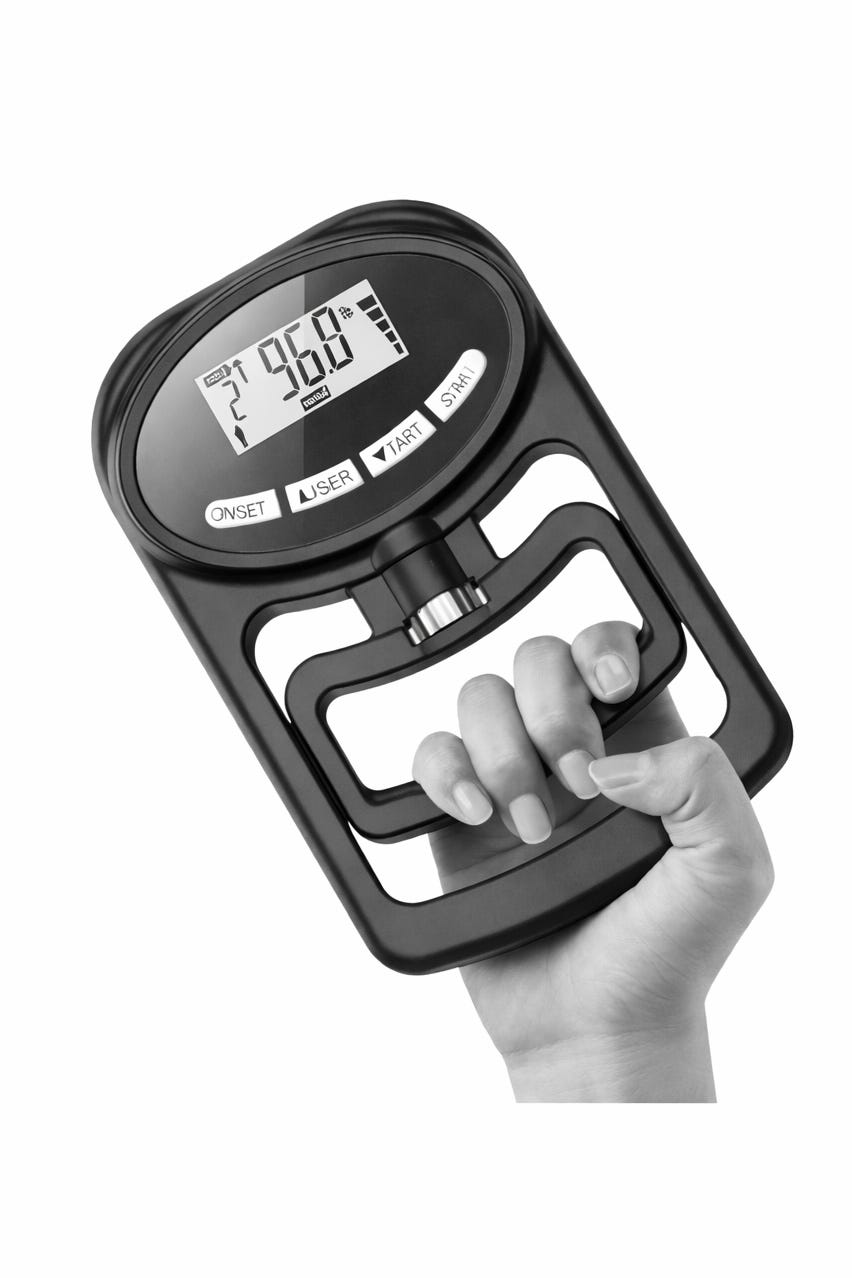
This is where measurement becomes exact.
Stand tall with your arm relaxed at your side. Squeeze the device with maximum effort for three to five seconds. Perform two to three attempts per hand and record your highest score.
For women, general reference ranges tend to fall around 20 to 30 kilograms or higher. Men typically fall between 35 to 50 kilograms or higher.
If you want a clear number to track over time, this is the most accurate method.
The second approach removes the device entirely.
The Minimalist Method: Dead Hang
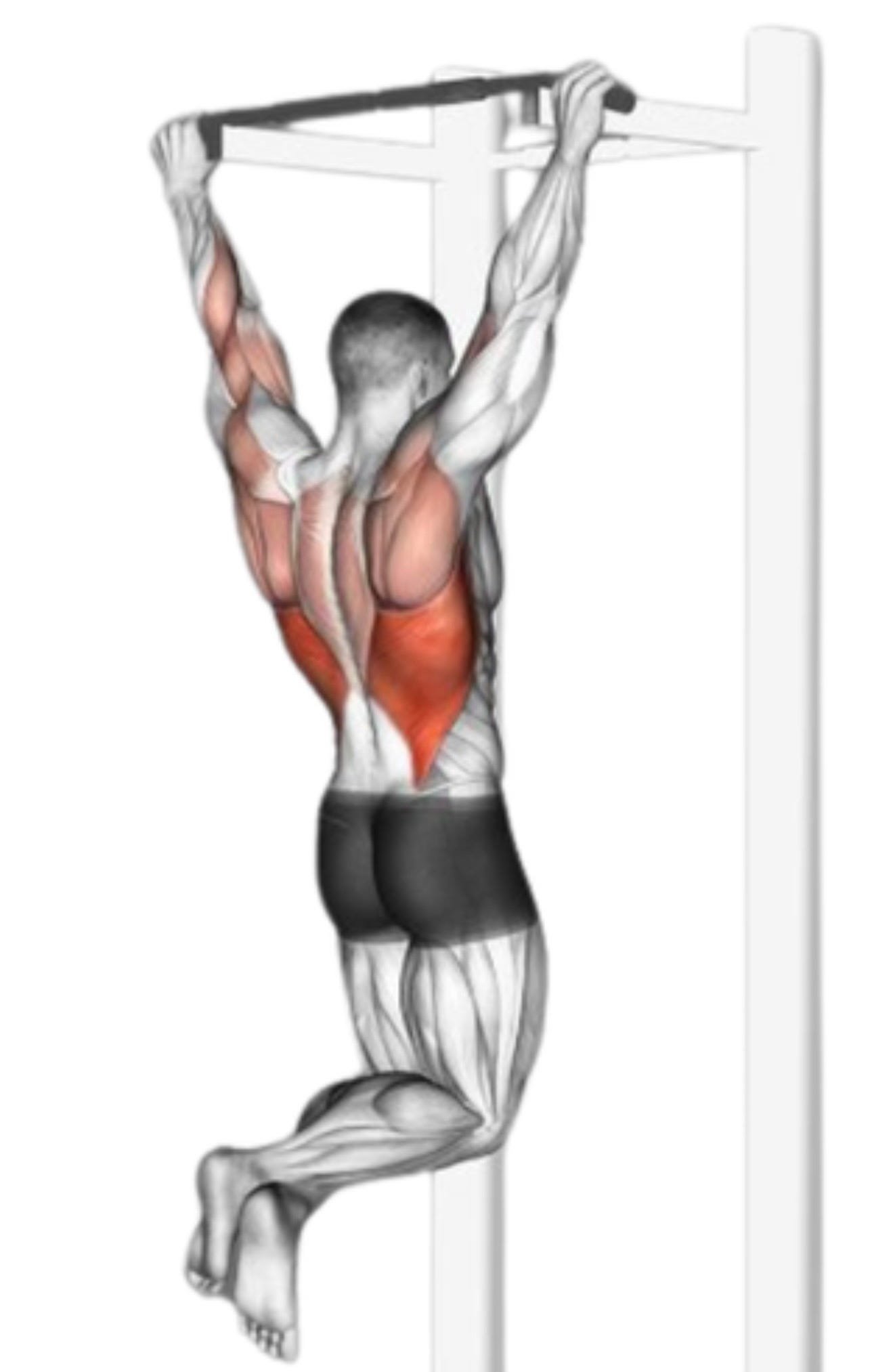
Endurance under load.
Hang from a bar with your arms fully extended, but keep your shoulders active. Avoid collapsing into the joints. Stay long through the body while maintaining control. Time your hold.
Around ten to twenty seconds reflects a starting point. Thirty to sixty seconds shows strong capacity. Sixty seconds or more moves into a more advanced level.
This measures grip endurance, but also your ability to stabilize and maintain structure under tension.
The third approach brings strength into motion.
The Functional Method: Farmer’s Carry
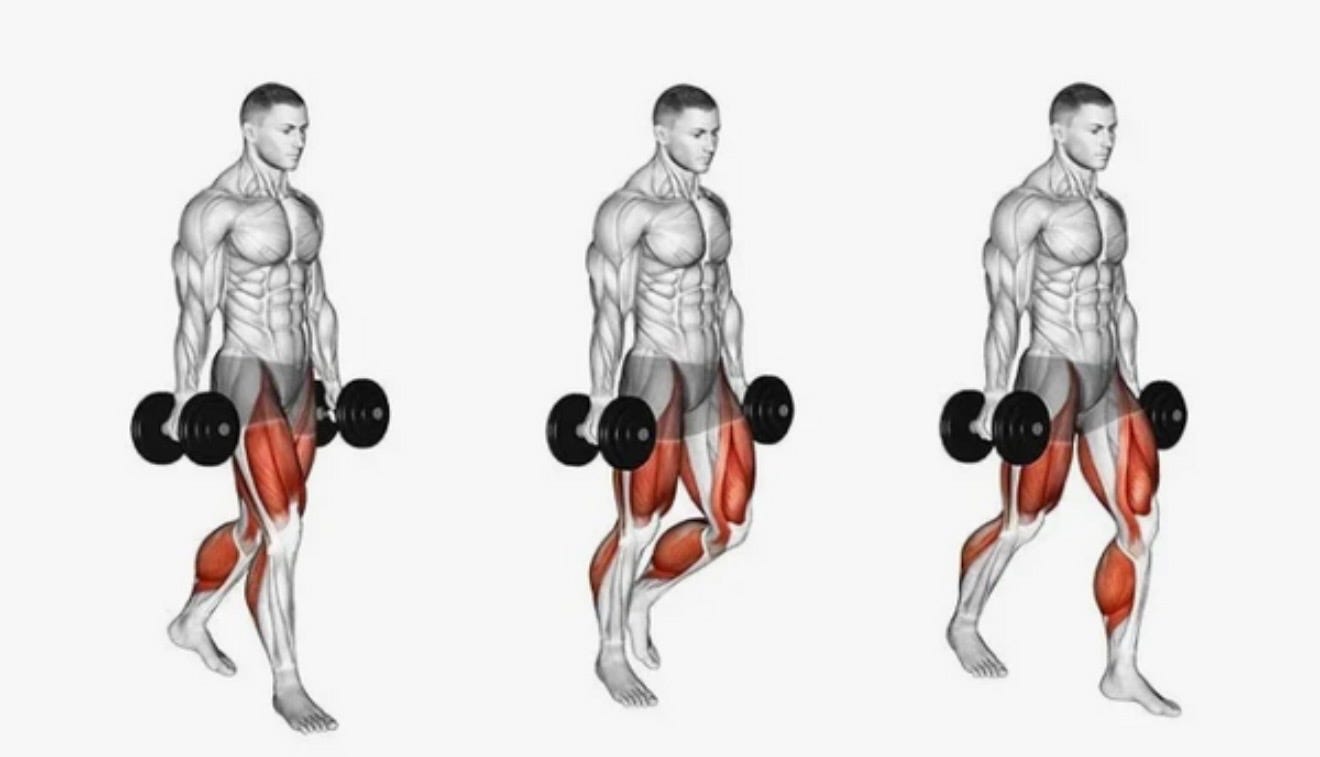
Strength in motion.
Hold a set of challenging weights at your sides. Stand tall. Walk with control until your grip begins to fail.
This integrates grip strength, core stability, and posture into one movement. It reflects how your body performs in real life, not just in isolated testing.
Once you measure your grip strength using any of these methods, something shifts.
You now have a baseline. Something most people never establish.
From there, it becomes a living metric.
If it improves, your body is adapting. If it declines, your body is asking for attention.
This is where longevity becomes tangible. Not something you read about, but something you can track and refine.
Grip strength is gaining attention because it sits at the intersection of simplicity and meaning. It does not require complexity to reveal something important.
But awareness alone does nothing.
Measure it. Track it. Build it.
Most people will keep hearing about this. Very few will ever know where they stand.